



BLOG
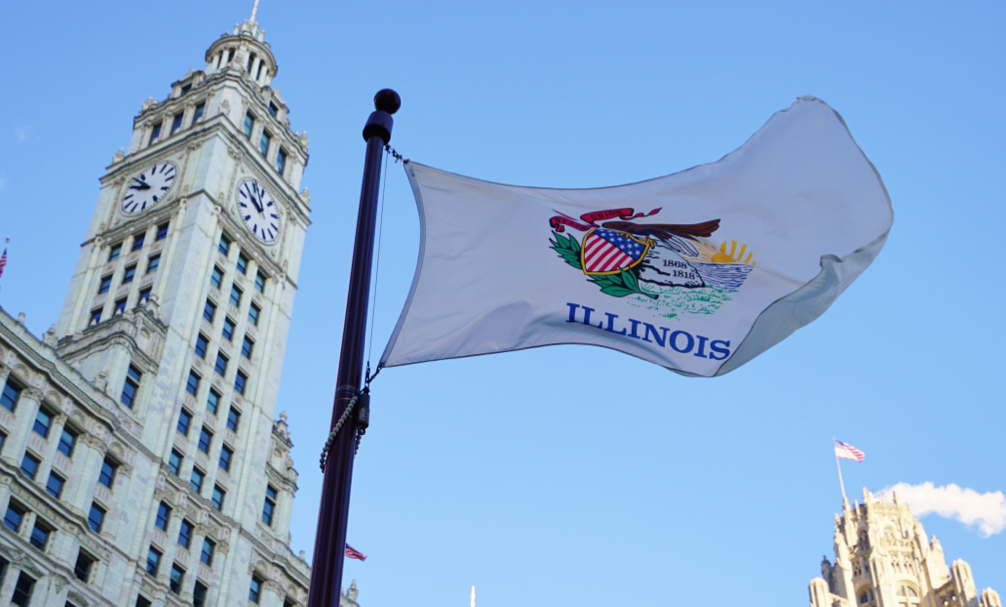

Every January, Illinois Legalization Day offers a moment to pause and reflect on how far the state has come since adult-use legalization officially began in 2020. What started as a bold policy move has grown into a thriving industry that supports jobs, generates tax revenue, and funds community programs across the state. As we look ahead to 2026, it’s worth examining the real impacts of legalization, the challenges Illinois still faces, and how national shifts could shape the future for consumers and businesses alike.
The Impact of Legalization in Illinois
Illinois’ decision to legalize adult-use cannabis has had a measurable and lasting impact on the state’s economy and communities. Since legalization, Illinois has consistently ranked among the top states in annual cannabis sales, with billions of dollars generated in revenue.
Economic Growth & Job Creation
Legalization has created thousands of jobs across the state, including roles in:
- Retail operations at licensed dispensaries
- Cultivation, processing, and distribution
- Compliance, marketing, and logistics
- Construction and facility management
For many communities, especially those hit hard by economic downturns, these jobs have provided new career paths and stability.
Tax Revenue & Community Reinvestment
One of the most significant benefits of legalization has been tax revenue. Illinois directs a portion of cannabis tax dollars toward:
- Community reinvestment grants
- Mental health and substance abuse programs
- Public safety initiatives
- Infrastructure and education funding
These programs aim to repair harm caused by past cannabis prohibition while reinvesting in neighborhoods disproportionately affected by previous enforcement policies.
Ongoing Challenges in the Illinois Market
Despite its success, Illinois’ cannabis industry still faces hurdles that affect both consumers and businesses.
Pricing & Affordability
Illinois is often cited as one of the higher-priced cannabis markets in the Midwest. Factors contributing to this include:
- State and local taxes
- Licensing and regulatory costs
- Limited competition in certain areas
While prices have stabilized in recent years, affordability remains a key concern for many consumers.
Regional Differences Across the State
Access and pricing can vary depending on where you live. Urban areas tend to have more dispensary options, while rural regions may have limited access. These disparities can influence:
- Product selection
- Travel distance for consumers
- Competitive pricing between regions
Addressing these differences remains an ongoing goal for regulators and industry leaders.
Looking Ahead: How National Shifts May Impact Illinois
As we move toward 2026, national conversations around cannabis policy could significantly influence Illinois’ market.
Federal Reform & Rescheduling
Potential changes at the federal level—such as rescheduling or decriminalization—could:
- Reduce banking and financing barriers for businesses
- Lower operational costs
- Encourage further investment and innovation
- Improve interstate research and development
While full federal legalization remains uncertain, even incremental changes could benefit Illinois operators and consumers.
Expanding Research & Innovation
National shifts may also allow for broader scientific research, leading to:
- More precise dosing and product consistency
- New wellness-focused product categories
- Improved consumer education and transparency
This could help normalize cannabis use and further integrate it into wellness and lifestyle spaces.
Increased Competition & Market Evolution
As more states legalize, Illinois will likely see increased competition—not just regionally, but nationally. This may drive:
- More competitive pricing
- Higher product quality
- Greater emphasis on customer experience and education
For consumers, this means more choice and better access over time.
Final Thoughts
Illinois Legalization Day isn’t just about celebrating sales numbers—it’s about recognizing progress, acknowledging challenges, and looking ahead with intention. As the industry matures and national attitudes continue to shift, Illinois remains a leader in shaping a regulated, community-focused cannabis market.
For consumers and businesses alike, 2026 holds promise: more innovation, improved access, and a continued push toward equity and sustainability. The future of cannabis in Illinois is still being written—and it’s one worth watching.
Find your favorites to celebrate Illinois Legalization Day at an Aroma Hill near you. aromahillcannabis.com

Read also
-
 Cannabis and Driving:
Understanding Impairment and Safety Jan 19, 2024 -
 Cannabis Strain Spotlight:
Indica vs. Sativa Jan 19, 2024