



BLOG
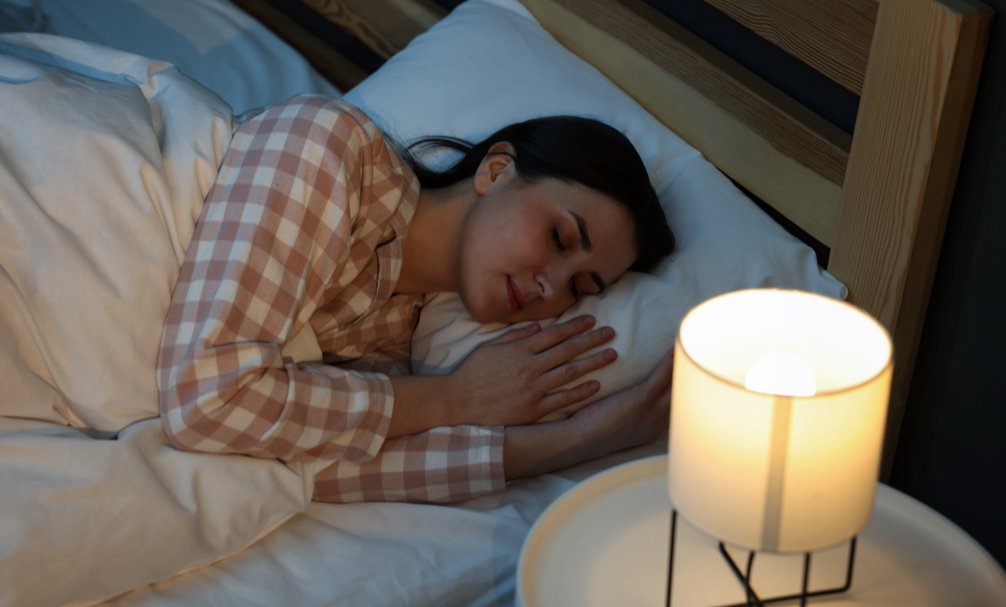
October brings noticeably shorter days, earlier sunsets, cooler temperatures, and changes to our daily routines. As daylight decreases through fall and winter, those seasonal changes can also influence our internal body clock and sleep patterns.
For some adults, cannabis is already part of their nighttime routine. But what does current research actually tell us about cannabis and sleep, and what should consumers keep in mind as the seasons change?
Why Changing Daylight Can Affect Sleep
Our bodies operate on a roughly 24-hour internal clock known as the circadian rhythm. Light is one of the most important signals regulating that clock, helping our bodies determine when it’s time to be awake and when it’s time to sleep.
As the days become shorter in the fall, reduced daylight—particularly in the morning and evening—can influence sleep timing, energy levels, and daily routines. Here in Chicagoland, the shift becomes especially noticeable throughout October and into November.
Maintaining consistent sleep and wake times, getting natural light during the day, and staying physically active can all help support a regular sleep routine as the seasons change.
Why Are People Using Cannabis for Sleep?
Cannabis has become increasingly associated with nighttime relaxation and sleep. A 2026 National Sleep Foundation study of 1,367 U.S. adults found that 8.6% currently used cannabis for sleep, another 9.9% had previously done so, and 11% of adults who weren’t using cannabis said they were likely to consider it for sleep in the future.
That interest doesn’t necessarily mean cannabis has been proven to improve sleep. In fact, the researchers emphasized that both the short- and long-term effects of real-world cannabis use on sleep remain poorly understood.
What Does the Research Actually Say?
Research into cannabis and sleep is still developing, but several recent studies suggest that certain cannabinoids may help improve sleep for some people.
A 2025 systematic review and meta-analysis of six randomized controlled trials involving 1,077 participants found that cannabinoids significantly improved self-reported sleep quality compared with placebo. The improvement was particularly notable among participants with insomnia or poor sleep.
More recent research has also found encouraging results. A 2026 systematic review and meta-analysis of 10 randomized controlled trials involving 2,134 participants found that cannabinoids improved sleep quality and insomnia symptoms while increasing total sleep time and sleep efficiency. Researchers also noted that adverse effects, most commonly dizziness and dry mouth, occurred more frequently among participants using cannabinoids and that additional long-term research is still needed.
At the same time, results can vary depending on the cannabinoid formulation, dosage, frequency of use, and the individual. While the research isn’t definitive, growing evidence suggests that cannabis and cannabinoids may have the potential to improve sleep for some adults.
Finding a Fall Routine That Works for You
As daylight hours shrink, October can be a good time to pay attention to your nighttime routine. Consistent sleep schedules, daytime activity, exposure to natural light, and limiting disruptions before bed can all play a role in healthy sleep habits.
For adults who choose to include cannabis in their evening routine, understanding how different products affect you personally and consuming responsibly is important—especially since the research surrounding cannabis and sleep continues to evolve.
Interested in exploring cannabis products as the seasons change? Visit Aroma Hill in-store or online to explore our selection and learn more about responsible cannabis consumption.

Read also
-
 Cannabis and Driving:
Understanding Impairment and Safety Jan 19, 2024 -
 Cannabis Strain Spotlight:
Indica vs. Sativa Jan 19, 2024

